RENMIN UNIVERSITY of CHINA





Renmin University of China (RUC) recently released its latest research report, The Rise of the Global South: An Atlas of Academic Research on Modernization in the Global South, at the 2026 Global South Modernization Forum in Cairo, Egypt.
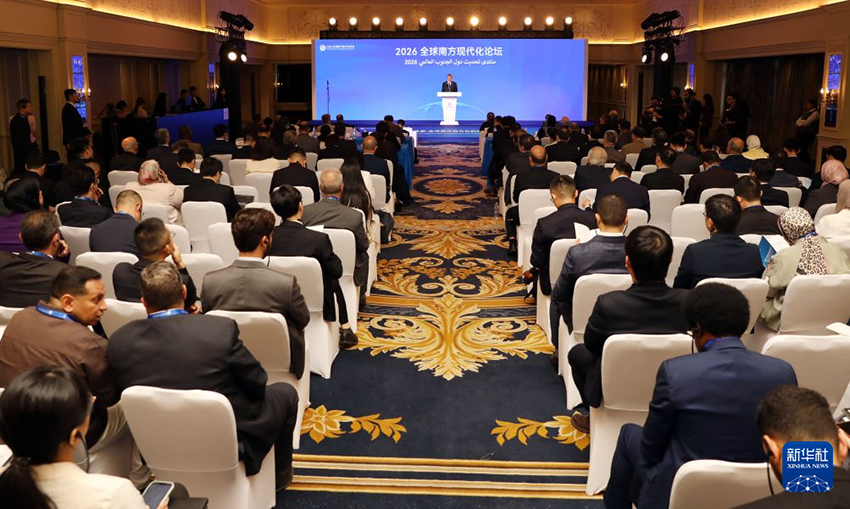
Held under the theme "The Rise of Artificial Intelligence: Opportunities and Challenges for Modernization in the Global South", the forum brought together more than 100 experts and scholars from nearly 30 countries and regions to explore how AI can strengthen development capacity, foster solidarity among Global South countries and advance the building of a community with a shared future for humanity.
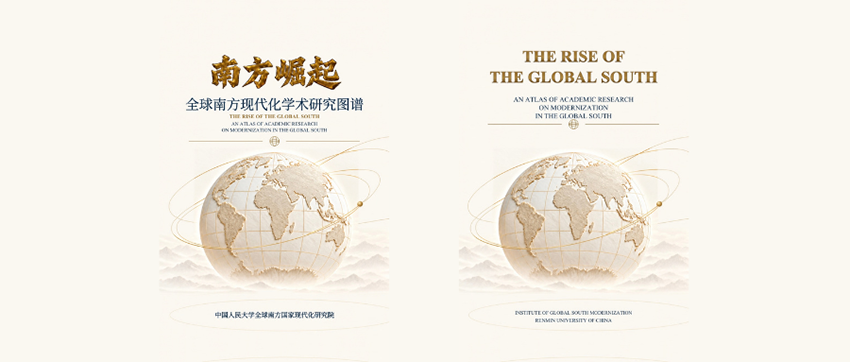
The report examines Global South modernization from four perspectives: theory, academia, practice and international communication. It finds that although Global South countries are attracting record levels of external investment and growing international attention, a significant gap remains between capital inflows and the development of domestic capabilities. At the same time, Global South countries continue to face challenges in making their voices heard internationally, underscoring the importance of closer South-South cooperation.
Despite growing academic and public attention, existing theoretical frameworks have limited explanatory power, with insufficient attention paid to the mechanisms through which external opportunities are translated into domestic capabilities. Evidence from multiple countries shows that foreign direct investment does not automatically generate local competitiveness: industrial linkages may remain weak, technology transfer and learning limited, and public-sector capabilities underdeveloped.
The report also highlights an imbalance in international narratives. While media in developed countries tend to emphasize conflict, media coverage in the Global South pays greater attention to the digital economy and infrastructure. Yet conflict-oriented narratives continue to overshadow stories of development, limiting Global South countries’ influence over how their own progress and challenges are portrayed.
To address these issues, the report calls for a shift in assessing modernization from the scale of investment to the development and retention of domestic capabilities. It argues that pursuing independent modernization does not mean closing off to the world; rather, it requires stronger domestic industrial and development linkages built through openness and cooperation. In international communication, the report advocates moving beyond Western-dominated conflict narratives toward Global South-led narratives that emphasize capacity building and development.
Drawing on case studies from countries including Ethiopia and Indonesia, the report offers insights into diverse modernization pathways across the Global South. It aims to advance comparative research, encourage dialogue on different development experiences and raise the international visibility of the Global South’s development achievements.
The report is a new publication by the Institute of Global South Modernization at RUC. In November 2025, RUC helped launch the Academic Network for Global South Modernization Studies and established the institute. The institute seeks to advance research on international relations and global development, build platforms for international dialogue, strengthen the university’s research and think tank capacity, and cultivate interdisciplinary talent with a global outlook and a strong commitment to the Global South.
Fan Zhiyong, director of the Institute of Global South Modernization, said the report marked an important milestone in its research on Global South modernization. He expressed hope that viewing global change through the lens of the Global South would help document emerging research findings and practical experiences, facilitate exchanges among researchers and practitioners, and contribute Chinese scholars’ perspectives to understanding a changing world.RUC also hosted one of the forum’s four parallel sessions, titled “Empowering All Sectors with AI”. Chinese and international experts discussed how AI can support industrial development, educational innovation, social governance and international cooperation, exploring practical ways for Global South countries to seize AI opportunities and strengthen their capacity for self-driven development.
In her remarks, Gao Yanyan, deputy secretary of the CPC Committee of RUC, said the university would work with partners to develop exemplary AI cooperation initiatives among Global South countries and contribute the expertise of higher education institutions to building a fairer global digital governance system.
Mohamed Refaat, vice president of Cairo University, emphasized that universities should combine innovation with academic integrity and ethical responsibility. He called for stronger exchanges and cooperation among universities across the Global South to ensure that the benefits of digital transformation reach society as a whole.
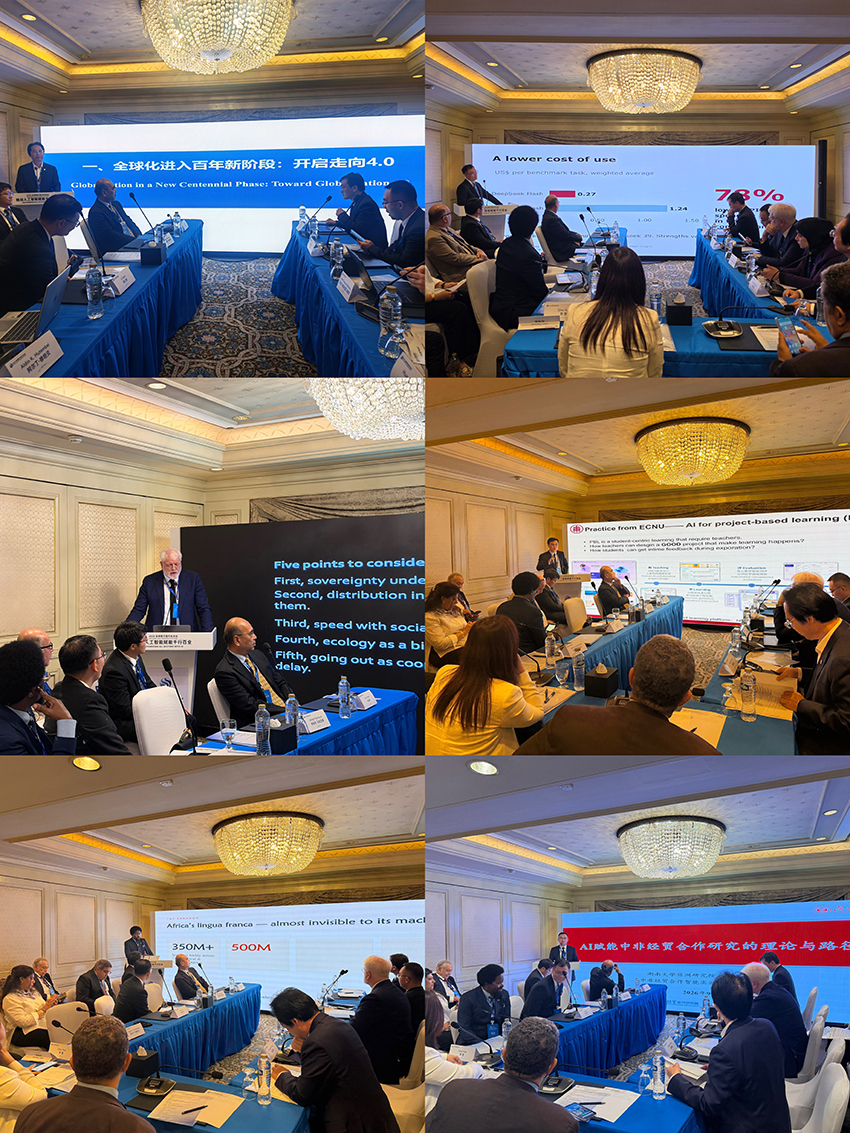
During the academic discussions, experts from RUC, Zhejiang University, East China Normal University, Hunan University, the University of Dar es Salaam in Tanzania and other institutions exchanged their views on AI-enabled industrial upgrading, educational innovation, digital governance and global development cooperation.
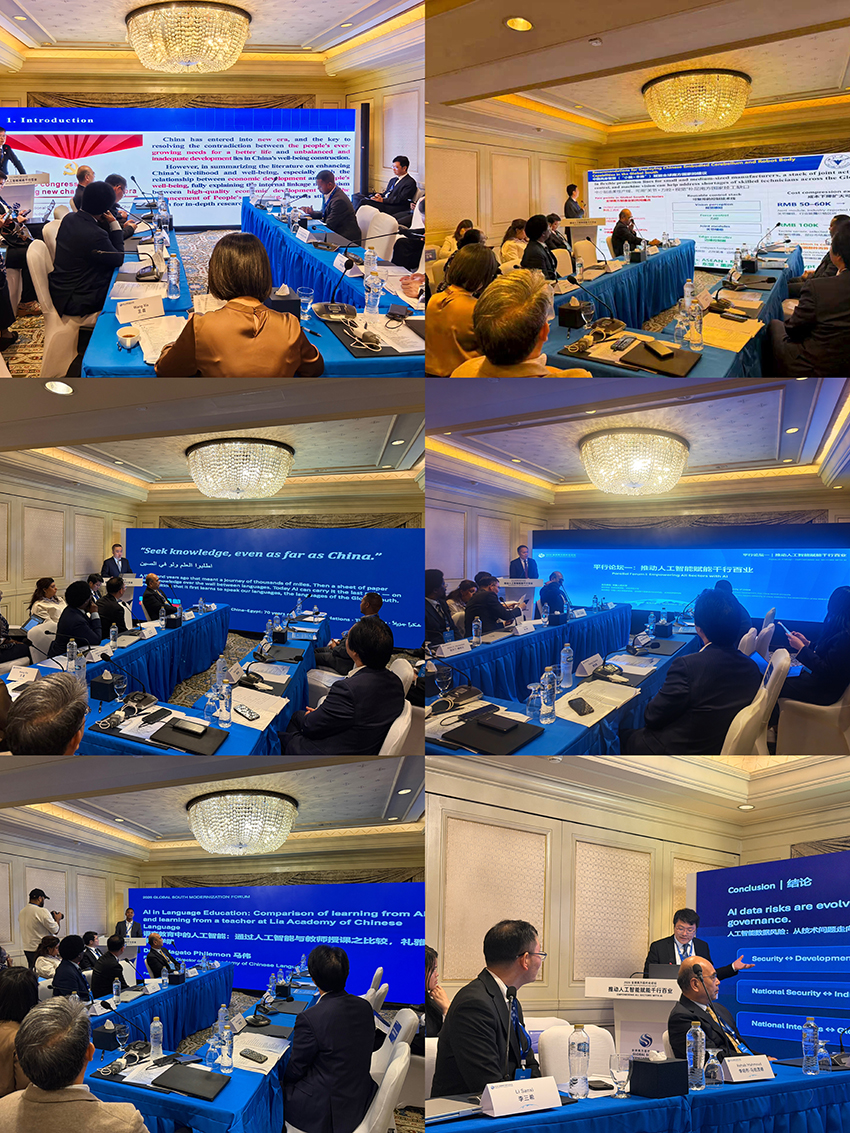
At a roundtable, scholars from more than 10 universities in China, Egypt, Rwanda and other countries joined African government officials and experts from the United Nations and other international organizations. Discussions covered AI governance, the digital economy, language education and cultural exchange, data security, and Africa’s AI strategies.
The forum provided a platform for representatives from government, industry, academia and research institutions across the Global South to discuss emerging trends and challenges in modernization and explore pathways for stronger cooperation and knowledge-sharing.
Looking ahead, RUC will build on its strengths in the humanities and social sciences to deepen research on Global South modernization, expand cooperation with universities, think tanks and international organizations, and foster dialogue between Chinese experience and development practices across the Global South. Through these efforts, the university aims to contribute to shared development in the Global South and the building of a community with a shared future for humanity.