RENMIN UNIVERSITY of CHINA





Chinese civilization and culture have endured for five millennia, carrying profound historical traditions while demonstrating distinctive modern characteristics. Building upon the high recognition given by global respondents to the overall influence of Chinese civilization and cultural exchange practices, this section delves into overseas populations' perceptions and attitudes toward specific domains of traditional Chinese culture, contributing to a more comprehensive understanding of the international dissemination effects and acceptance levels of Chinese civilization and culture.
I. Interest in Traditional Chinese Culture
Overseas respondents demonstrate varying degrees of interest in elements of traditional Chinese culture, with a distinct hierarchical distribution pattern. Survey data indicates that among various elements of traditional Chinese culture, Chinese cuisine achieves an interest level of 78.4%, significantly surpassing other elements. Traditional Chinese medicine, Chinese festivals and celebrations, traditional Chinese arts, Chinese martial arts, Chinese film and entertainment content, and Chinese language learning constitute the second tier, with interest levels ranging between 60% and 75%. Interest in Chinese religious culture is relatively low, with only 40.1% of respondents expressing interest.
Comparative analysis reveals that respondents from South America and Africa demonstrate higher levels of interest in various elements of Chinese culture. African respondents show the strongest interest in Chinese films and television, reaching 83%, significantly higher than Europe's 45.6% and Oceania's 43%. South American respondents exhibit the highest level of interest in Chinese cuisine, at 82.5%.
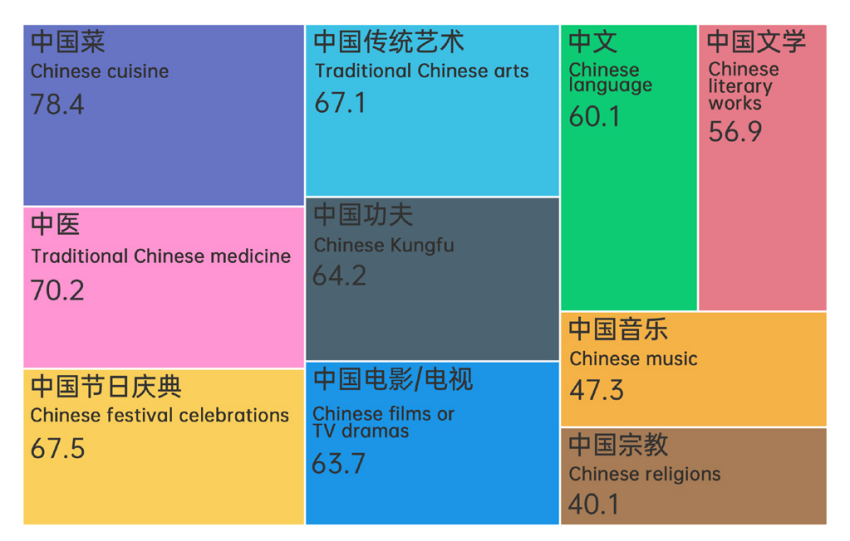
Figure 4.1 Preferences in Traditional Chinese Culture (%)
Age group comparisons reveal that younger respondents aged 25-34 demonstrate the highest level of interest in Chinese culture, with interest peaking across multiple cultural dimensions. Specifically, this age group shows the highest interest in Chinese cuisine at 79.8%, and their interest in Chinese films, music, literature, festivals and celebrations, martial arts, traditional arts, Chinese language, and religion all exceed those of other age groups. As age increases, respondents' interest in Chinese culture shows a declining trend, with the 55-65 age group displaying the lowest interest levels across most cultural categories, showing only 54.1% interest in Chinese martial arts and 56.8% interest in Chinese films and television. Traditional Chinese medicine presents a unique pattern, with the 35-44 age group demonstrating the highest interest in TCM at 73%.
The high level of interest in Chinese cuisine is closely related to the global presence of Chinese restaurants. Chinese restaurants have spread worldwide through the dedicated efforts of Chinese overseas immigrants, with their presence visible from international metropolises such as New York and London to remote towns in South America and Africa. Consequently, among respondents' channels for accessing local Chinese cultural activities, Chinese restaurants account for 58.4%, far exceeding all other venues. Chinatowns (23.9%), Chinese language school programs (23.1%), Chinese martial arts center courses (23.1%), and traditional Chinese festival celebrations (20.3%) constitute the second tier of access channels, while Chinese film screenings (17.8%), Chinese art exhibitions (16.6%), and Chinese cultural centers (15.7%) represent relatively lower but still substantial means of cultural engagement.
II. Perceptions of Traditional Chinese Culture
The results indicate that overseas respondents demonstrate high levels of recognition regarding traditional Chinese culture as a whole, its modernization transformation, and its positive influence on contemporary society. 82.8% of overseas respondents hold positive views toward traditional Chinese culture overall, 75.2% acknowledge that traditional Chinese culture has successfully achieved modernization, and 75.8% believe that traditional Chinese culture has exerted influence on modern Chinese culture.
In the cognitive associations with traditional Chinese cultural symbols, the Great Wall as a representative cultural symbol evokes multidimensional associations. 56.5% of respondents associate the Great Wall with ancient history, 47.1% connect it with Chinese tourism, 40.6% believe it demonstrates China's engineering and construction capabilities, and 39% emphasize its magnificent landscape characteristics. Additionally, 36.1% associate the Great Wall with the diligence and hard work of the Chinese people, 29.5% consider it representative of Chinese wisdom and innovation, and 26% connect it with ambitious infrastructure development.

Figure 4.2 Cognitive Associations with the Great Wall
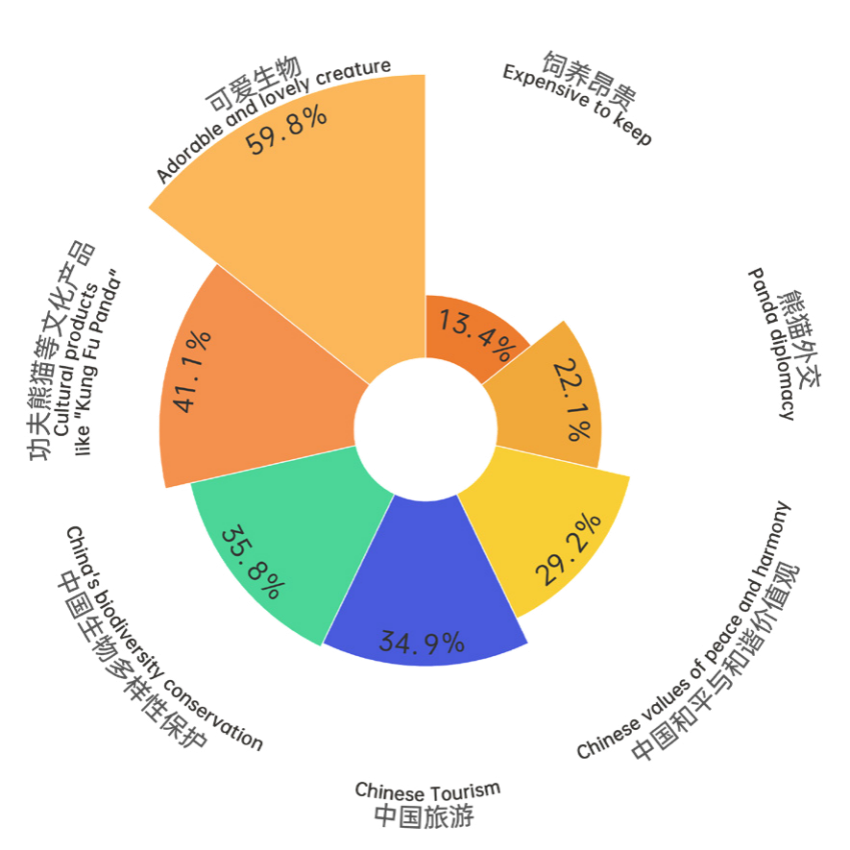
Figure 4.3 Cognitive Associations with Pandas
As a Chinese cultural symbol, the panda exhibits distinctly endearing characteristics. 59.8% of respondents view it as an adorable animal, 41.1% associate it with popular cultural products such as "Kung Fu Panda," 35.8% consider it representative of China's biodiversity conservation efforts, and 34.9% connect it with Chinese tourism. Meanwhile, 29.2% believe the panda embodies Chinese values of peace and harmony, and 22.1% are familiar with the concept of panda diplomacy.
The aforementioned data demonstrates that Chinese cuisine serves as an important vehicle for Chinese culture. However, when Chinese cuisine is mentioned, respondents' primary association is exceptional taste (46%). The second tier of associations includes China's millennia-old culinary traditions (35.7%), diverse and varied options (31.9%), and healthy dining choices (31%). Furthermore, 29.2% associate it with fortune cookies, 27.3% consider Chinese cuisine to possess exquisite culinary techniques, and 25.4% connect it with its global popularity.
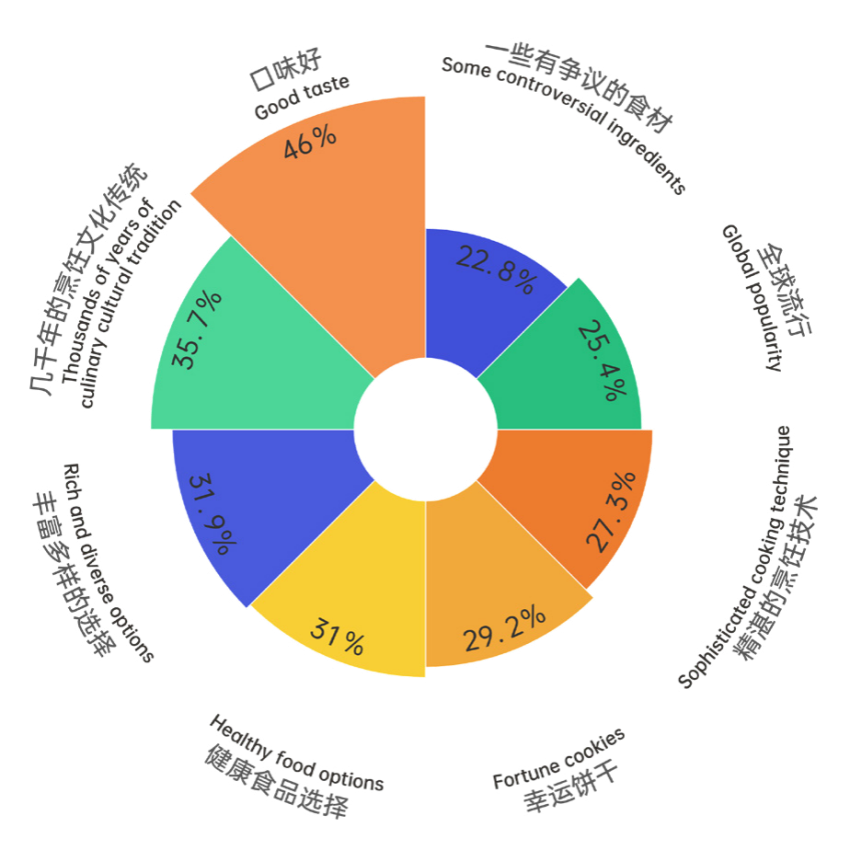
Figure 4.4 Cognitive Associations with Chinese Cuisine
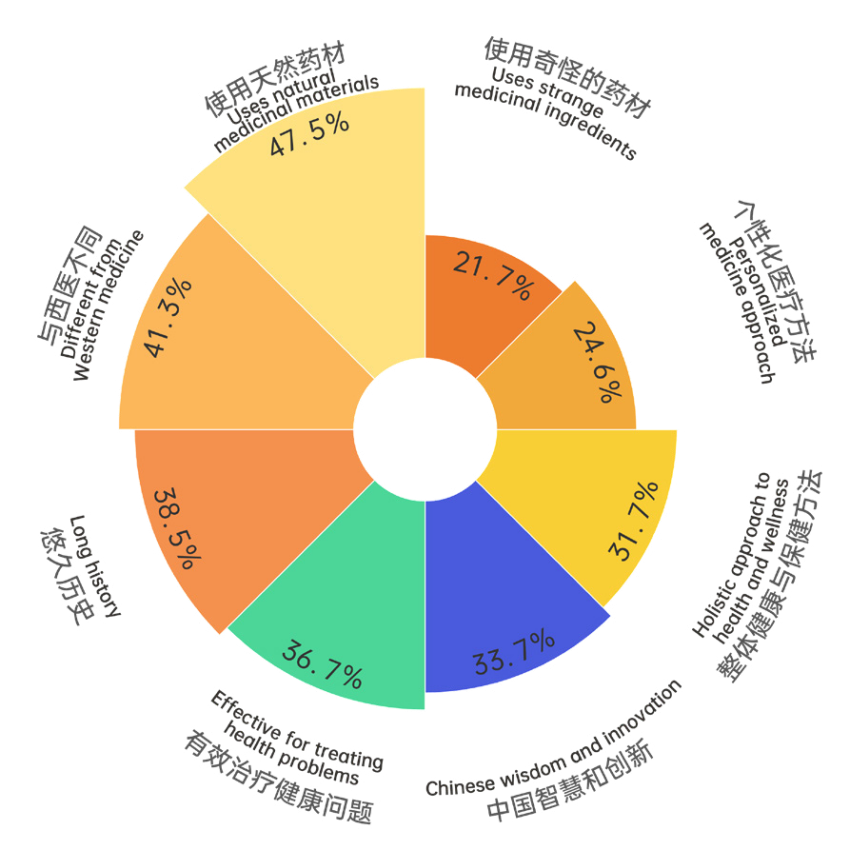
Figure 4.5 Cognitive Associations with Traditional Chinese Medicine
Traditional Chinese Medicine, as a traditional medical culture, receives relatively balanced associations. 47.5% of respondents believe it utilizes natural medicinal materials, 41.3% emphasize its differences from Western medicine, 38.5% recognize its long history, and 36.7% consider it effective in treating health problems. Meanwhile, 33.7% believe Traditional Chinese Medicine embodies Chinese wisdom and innovation, 31.7% associate it with holistic thinking, and 24.6% consider it to provide personalized treatment approaches.
Overall, traditional Chinese culture enjoys a positive image and widespread recognition overseas. The Great Wall demonstrates the profound heritage of Chinese civilization, serving in the minds of overseas respondents as both a symbol of historical culture and an embodiment of modern China's strength, with associative dimensions spanning multiple levels from historical inheritance to contemporary development. The panda, with its distinctive appeal, has become a gentle ambassador of Chinese culture, not only embodying ecological conservation concepts but also conveying values of peace and friendship. It is noteworthy that while Chinese cuisine is widely recognized as a cultural vehicle, overseas respondents' understanding remains primarily at the sensory experience level, with relatively limited comprehension of its deeper cultural connotations. Overseas perception of Traditional Chinese Medicine presents rather rational and diverse characteristics, encompassing both affirmation of its traditional values and comparative reflection with modern medical systems. It is evident that although traditional Chinese cultural symbols have established a relatively positive cognitive framework in overseas dissemination, there remains room for further enhancement in the depth of cultural connotation transmission.
III. Perceptions of the Development Prospects of Traditional Chinese Culture
Traditional Chinese culture is not static but continuously evolves and develops through innovation in the process of modernization, actively adapting to modern society. The survey reveals that overseas respondents generally hold positive attitudes toward the contemporary value and development prospects of traditional Chinese culture, fully demonstrating the enduring influence and adaptability of traditional Chinese culture in contemporary society. The survey shows that 82.2% believe that understanding traditional Chinese culture helps in comprehending contemporary China. 67.7% consider traditional Chinese culture valuable to personal life, indicating considerable recognition of its practical value and life guidance significance. 73.5% believe that traditional Chinese culture can adapt to modern culture, reflecting high recognition of the modern transformation of traditional Chinese culture.

Figure 4.6 Proportion of Respondents Who Believe Understanding Traditional Chinese Culture Helps in Comprehending Contemporary China
Global respondents demonstrate high interest in the integration of traditional Chinese culture with modernization. 73.6% express interest in the combination of Traditional Chinese Medicine and Western medicine, 72.8% show concern for the fusion of traditional and modern Chinese architectural styles, 72% are interested in the modern design applications of traditional crafts, and 70% express attention to modern adaptations of traditional stories (such as the film "Mulan"). However, only 53.6% indicate some interest in the application of traditional Chinese musical elements in popular music.
Regarding the modern challenges facing traditional Chinese culture, respondents have identified multiple influencing factors and developmental obstacles. 52.2% view the influence of Western values on traditional Chinese culture as a primary challenge, while 45.7% believe that modern culture and fashion trends may pose a threat to traditional Chinese culture. Additionally, 38.5% of respondents express concern about the excessive commercialization of traditional Chinese culture, and 30.1% consider insufficient dissemination of traditional Chinese culture to be another challenge.
The aforementioned results indicate that the overseas dissemination of traditional Chinese culture presents a positive trajectory. The contemporary value of traditional culture has gained widespread recognition among overseas respondents, particularly in practical fields where modernized integration demonstrates strong market demand and cultural appeal. However, the development of traditional Chinese culture also faces a complex landscape of challenges. From the perspective of global respondents, external cultural impacts coexist with modern cultural challenges, encompassing both competitive pressures from different cultural value systems and the need to adapt to modern culture and fashion trends. How to enhance modern expression capabilities and dissemination effectiveness while preserving fundamental cultural characteristics will be the key to achieving creative transformation and innovative development of traditional Chinese culture.