RENMIN UNIVERSITY of CHINA





On March 22, the 3rd Wuyi Forum opened in Fujian’s Wuyishan, a UNESCO World Cultural and Natural Heritage site. Centered on the theme “Socialist Culture with Chinese Characteristics for a New Era and the Preservation and Development of Fine Traditional Chinese Culture”, the forum brought together hundreds of participants from China and abroad. In line with the principle of the “Two Integrations”, the event explored pathways for the modernization of Chinese civilization and the creative transformation and innovative development of traditional culture.
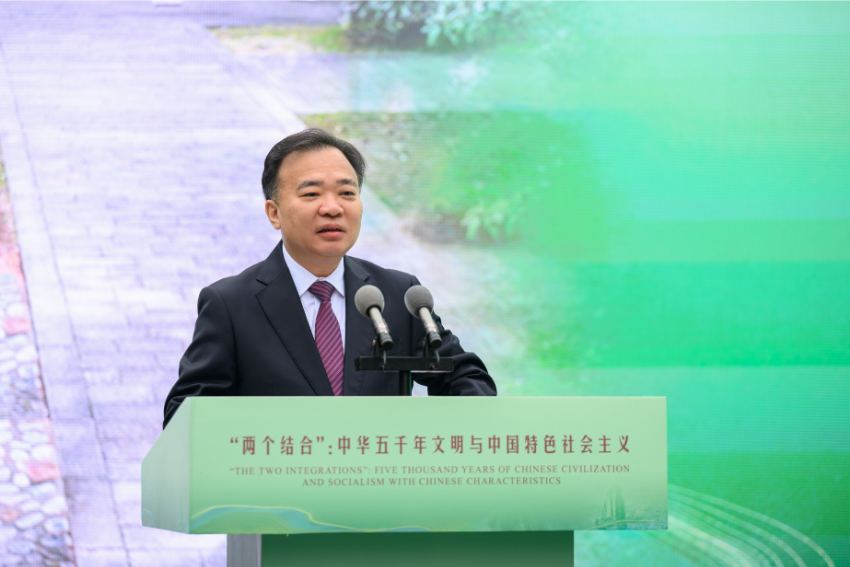
At the opening ceremony, Zhang Yan, head of the Publicity Department of the CPC Fujian Provincial Committee, said that Fujian will continue to uphold its cultural roots and heritage, strengthen cultural confidence, connect tradition with modernity, and promote cultural exchange both domestically and internationally, striving to build the province with a strong and vibrant cultural sector.
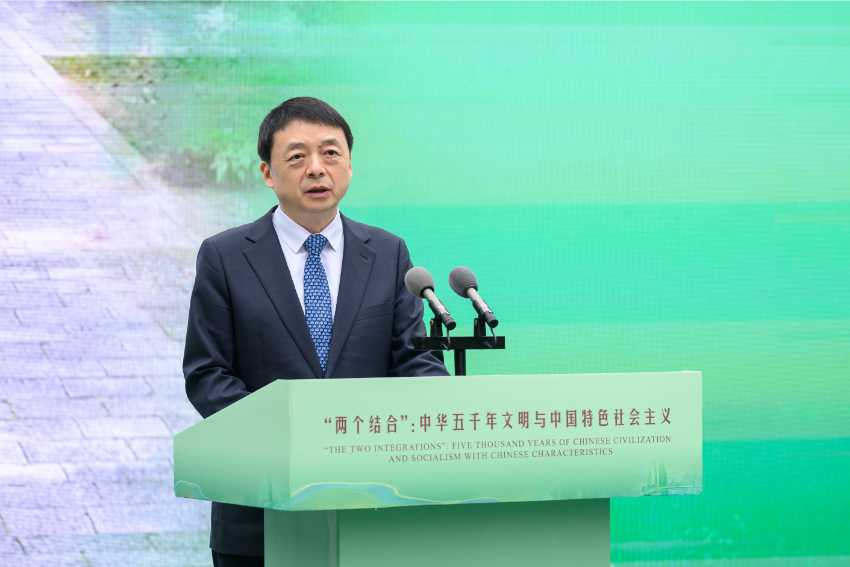
Ma Huaide, president of Renmin University of China, stated that fine traditional Chinese culture and socialist culture with Chinese characteristics complement and reinforce each other under the guidance of the “Two Integrations”, jointly forming the cultural foundation of Chinese modernization. Renmin University of China will continue to work with Fujian province and Nanping city to further develop the Wuyi Forum, generating new insights and outcomes while fostering stronger cultural vitality.
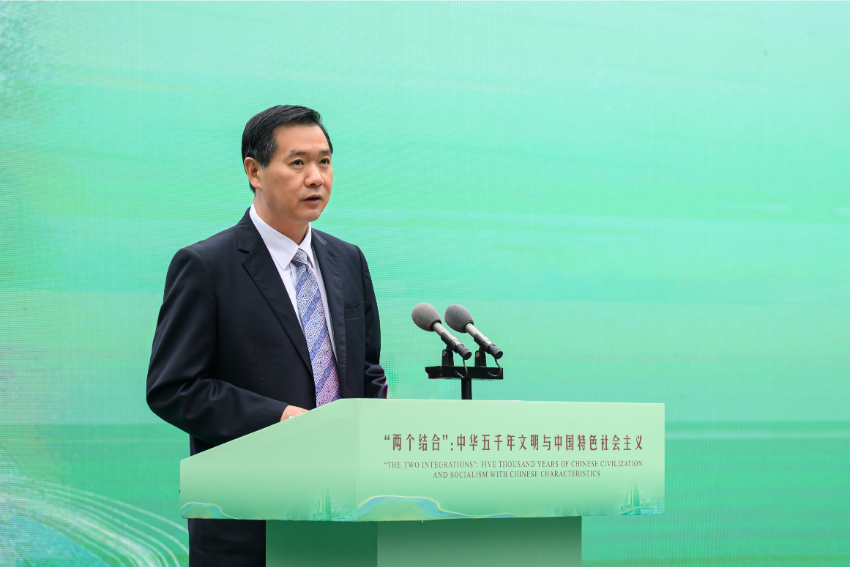
Yuan Chaohong, secretary of the CPC Nanping Municipal Committee, highlighted that the Wuyi Forum has long been committed to promoting the creative transformation and innovative development of traditional Chinese culture. This year’s forum features a series of academic achievements and cultural activities, creating a cultural event that combines scholarly depth with broad public participation.
The flagship report of the Wuyi Forum, The “Two Integrations”: The Chinese Path to the Modern Transformation and Renewal of an Ancient Civilization, was officially released. Structured around the themes of “questions of transformation”, “paths to renewal”, and “civilizational insights”, the report provides an in-depth analysis of how the “Two Integrations” have driven China’s modernization and revitalization. It explores the historical trajectory, practical logic, and global significance of this approach, revealing that it not only represents a unique path forged in the evolution of Chinese civilization, but also offers broader insights into the common challenges of civilizational transformation and renewal—contributing fresh perspectives to the progress of human civilization.
Two new publications were also unveiled: The Boundless Realm of Yu: The Worldview of Chinese Civilization (“Wuyi Interpretations of Chinese Civilization”, Volume 2) and A Compendium of The Great Learning Literature of the Ming Dynasty.
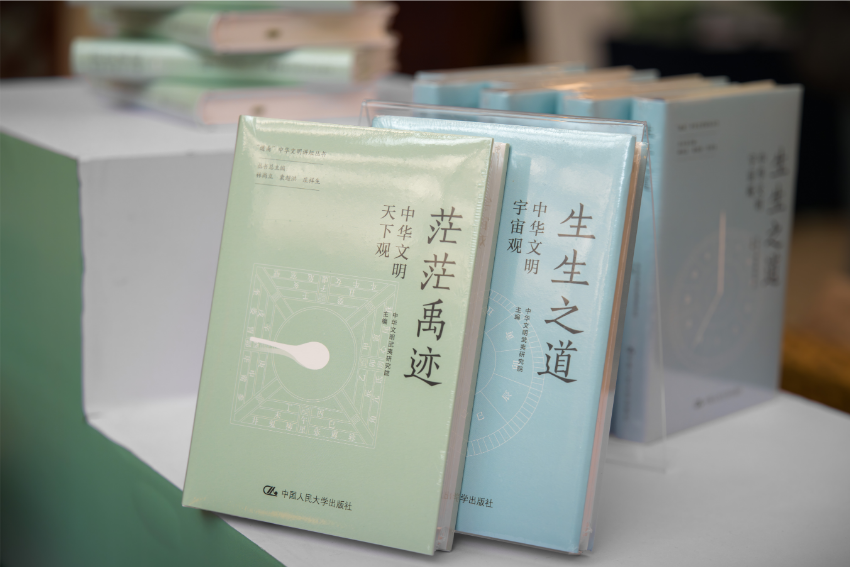
The Boundless Realm of Yu: The Worldview of Chinese Civilization examines the worldview of Chinese civilization from multiple dimensions, including territory, family traditions, ideal society, and East Asian civilization. It presents a holistic view of China’s historical and cultural development, highlighting the inclusive vision that “the world belongs to all” and promoting the creative transformation and innovative development of traditional Chinese culture.
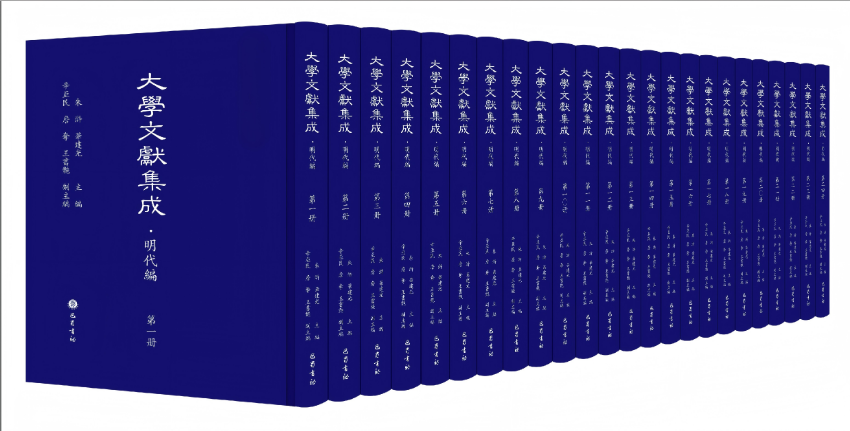
A Compendium of The Great Learning Literature of the Ming Dynasty, comprising 24 volumes, is a foundational project in the study of Confucian classics. It systematically compiles Ming-era interpretations of The Great Learning from sources in China and abroad, providing essential documentation for further research on the exegetical tradition of the classics and promoting its intellectual and philosophical legacy.
During the keynote speech session, distinguished scholars—including Yang Ruilong, dean of Chongshi College at RUC; David Ferguson, recipient of the Chinese Government Friendship Award and Honorary Editor-in-Chief (English) of Foreign Languages Press; and Choi Young-Jin, professor at Sungkyunkwan University—delivered speeches on topics such as the cultural foundations of the “China model” and how the “Two Integrations” have shaped China’s past and will influence its future.
Scholars also engaged in lively discussions on humanity’s role in the digital age, emphasizing that values such as “harmony without uniformity” and “a shared world for all” are interconnected rather than contradictory. They highlighted that human emotion, perception, and insight remain irreplaceable, and that artificial intelligence should be seen not as an answer, but as a tool—exploring how to preserve cultural subjectivity amid rapid technological change.
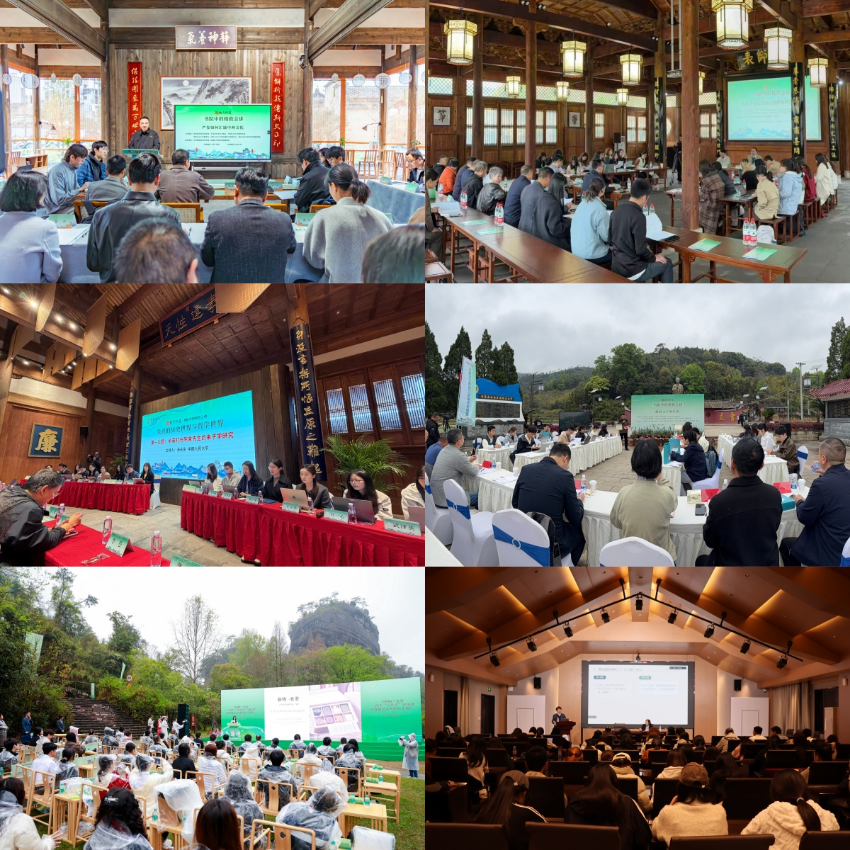
In the afternoon, five parallel sub-forums were held across Nanping, covering topics such as Confucian civilization in East Asia, the transformation of modern knowledge, peaceful development and global order, and the international influence of Chinese culture through overseas Chinese communities.
Throughout the forum, a total of 11 reading sessions were held at various venues, integrating Wuyishan’s tea culture—part of its dual UNESCO World Heritage status—with public reading initiatives, creating a rich intellectual and cultural experience.
A key innovation of this year’s forum is the launch of the Wuyi Dialogue program. More than 240 faculty members and students from 22 universities, including Renmin University of China, Tsinghua University, and Peking University, participated in discussions held across 10 historic academies in Nanping, reviving the traditional academy-based model of scholarly dialogue. Through modern academic perspectives, these dialogues aim to revitalize the classical texts and demonstrate the younger generation’s commitment to preserving and innovating Chinese cultural traditions.
By promoting academic dialogue and revitalizing cultural heritage, this year’s forum, for the first time, created a platform for young scholars to engage in academic dialogue and intellectual exchange, revitalizing the intellectual traditions of Chinese civilization and injecting fresh vitality into its enduring legacy.