RENMIN UNIVERSITY of CHINA





From March 24 to 27, the Boao Forum for Asia Annual Conference 2026 was held in Hainan province. Renmin University of China (RUC), a partner institution, hosted a sub-forum titled “Improving Global Economic Governance: The Role of the Global South.”
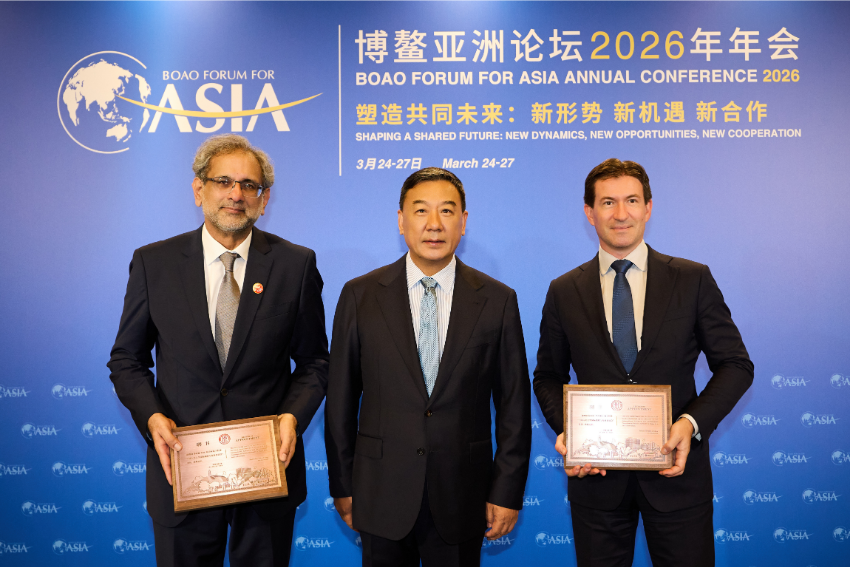
RUC also appointed Shahid Khaqan Abbasi, former Prime Minister of Pakistan, and Kirill Babaev, Director of the Institute of China and Contemporary Asia at the Russian Academy of Sciences, to its International Strategy and Development Committee.
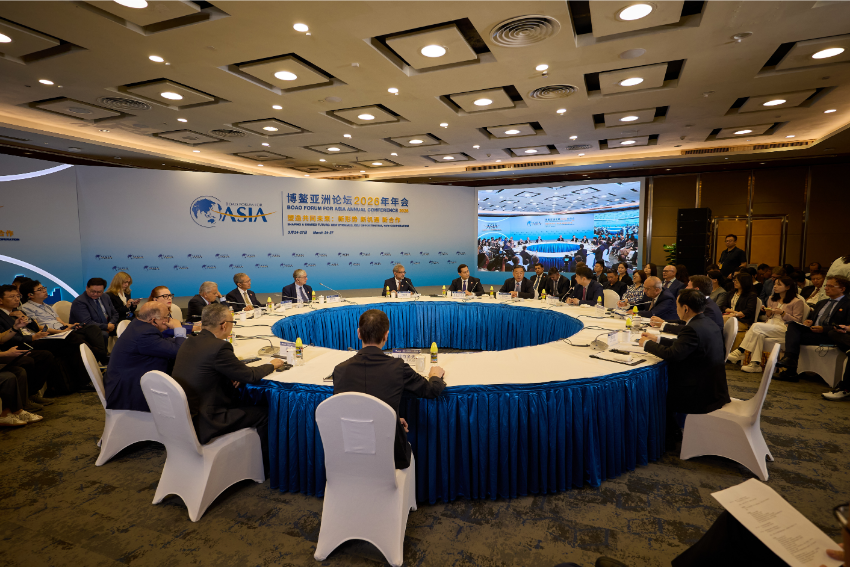
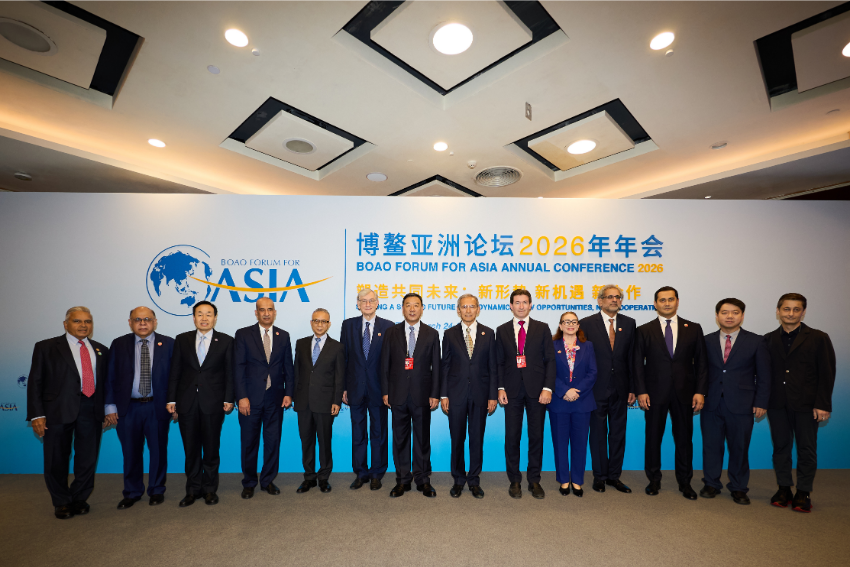
Established in October 2024, the RUC International Strategy and Development Committee is composed of distinguished representatives from political, academic, and business communities globally. Its members include former Slovenian President Danilo Türk; former Prime Minister of Kyrgyzstan Djoomart Otorbaev; General Secretary of the South African Communist Party Solly Mapaila; General Secretary of the Communist Party of Nepal (Maoist Centre) Dev Gurung; former Deputy Prime Minister and Minister of Finance of Poland Grzegorz Kołodko; John Ross, former Director of Economic and Business Policy for the Mayor of London, recipient of the 2024 Chinese Government Friendship Award, and Senior Fellow at the Chongyang Institute for Financial Studies, RUC; Thomas Sargent, Nobel Laureate in Economics (2011); and Martin Jacques, former Senior Fellow at the University of Cambridge. On March 25, the sub-forum — co-hosted by RUC and supported by the Chongyang Institute for Financial Studies — convened experts and scholars to discuss the enhanced role of the Global South in shaping and implementing global economic governance.
At the forum, RUC also released a research report titled Transformation and Reshaping 2050: The Construction of a New Global Governance System and China’s Solution, offering insights and proposals for building a more equitable, inclusive, and efficient global economic governance system.
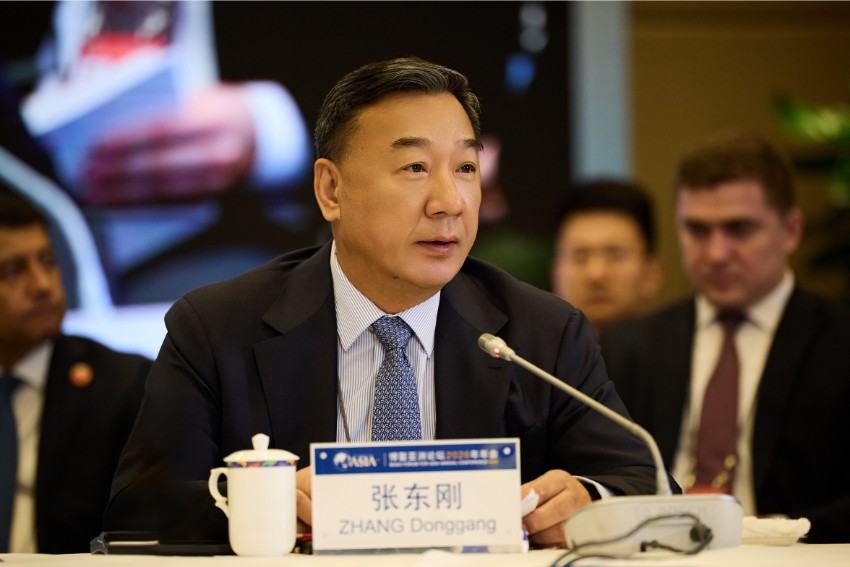
Zhang Donggang, Party secretary of RUC, noted that major transformations unseen in a century are unfolding at an accelerating pace, and the rise of the Global South has become an irreversible trend of our time. The more volatile the global economy becomes, the more important it is to harness the role of the Global South.
He emphasized that the Global South should assume greater responsibilities — as promoters of harmony, contributors to global economic growth, reformers of international governance rules, advocates for world peace and development, and builders of a shared future for humanity.
Zhang also stressed that universities must address present challenges and shape the future, serving as leaders in fostering common values of humanity, strengthening education, cultivating global leadership, advancing knowledge innovation, and driving technological and industrial transformation to benefit human progress and all-round development.
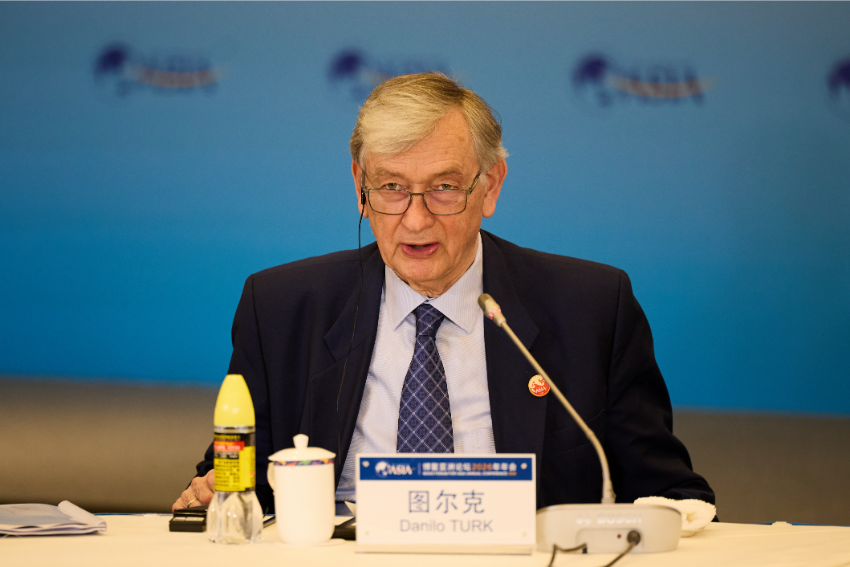
Danilo Türk noted that under today’s complex international circumstances, comprehensive reform of multilateral mechanisms is highly challenging and calls for a more pragmatic and focused approach. The most urgent priority is to advance WTO reforms, particularly restoring its dispute settlement mechanism, to reinforce global trade rules.
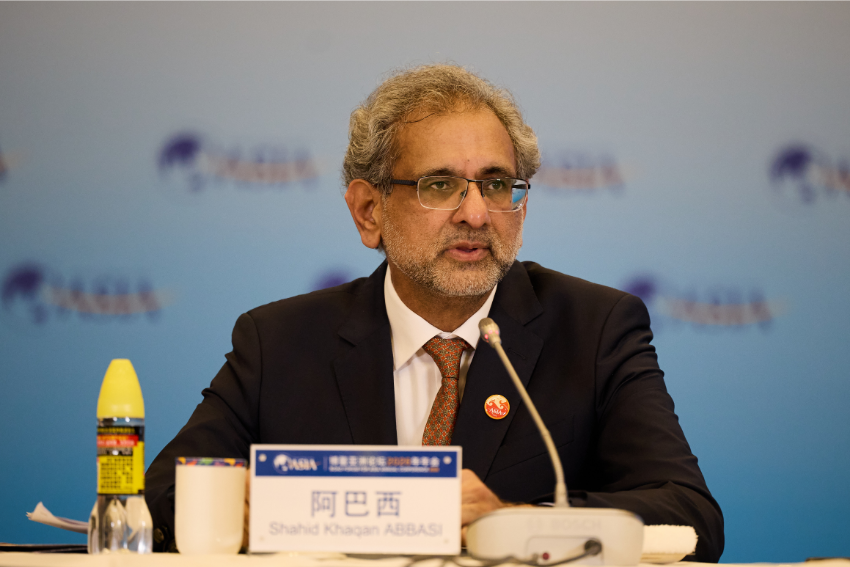
Shahid Khaqan Abbasi observed that as a major global economic growth engine, the Global South must play a constructive role when multilateral institutions face pressures. If developed countries fail to cooperate, the Global South should strengthen collaboration through platforms such as the Shanghai Cooperation Organization, BRICS, and the Boao Forum for Asia to uphold multilateralism and address current challenges through regional integration.
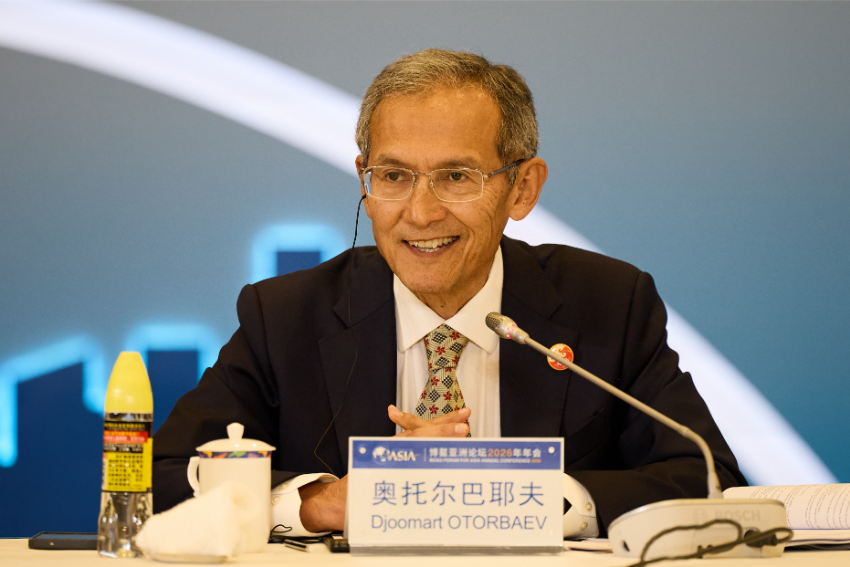
Djoomart Otorbaev emphasized the need to reflect on, reconstruct, and improve the global governance system. The Global South advocates reform rather than revolution: while the current international order is imperfect, it has benefited billions of people and should be improved, not overturned. Regional cooperation mechanisms such as the Association of Southeast Asian Nations, BRICS, and the Shanghai Cooperation Organization provide valuable references and momentum for broader governance reform.
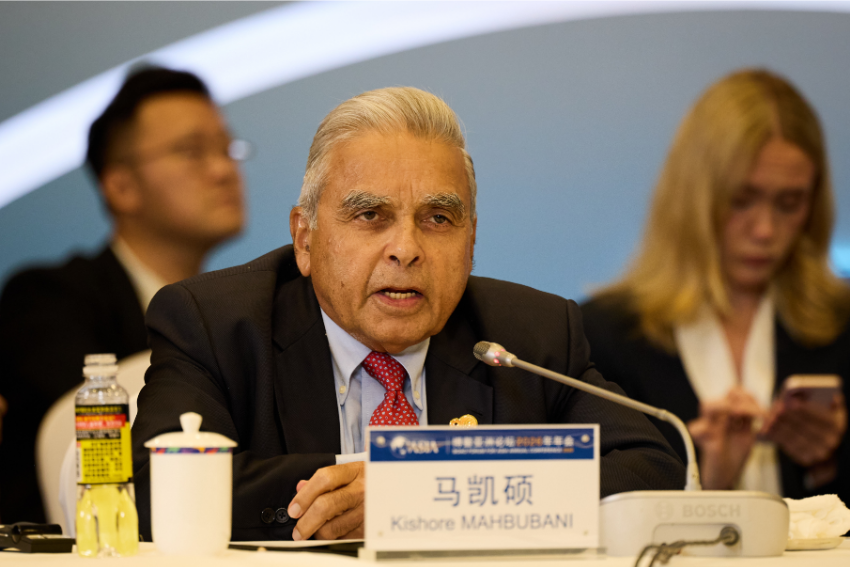
Kishore Mahbubani, dean of the Lee Kuan Yew School of Public Policy at the National University of Singapore, argued that improving global economic governance requires attention to long-term structural shifts in the world order, including profound transformations that tend to occur roughly every two centuries. While the global balance of power has undergone historic changes, existing governance systems have lagged behind. The Global South should be granted more equitable representation and a stronger voice.
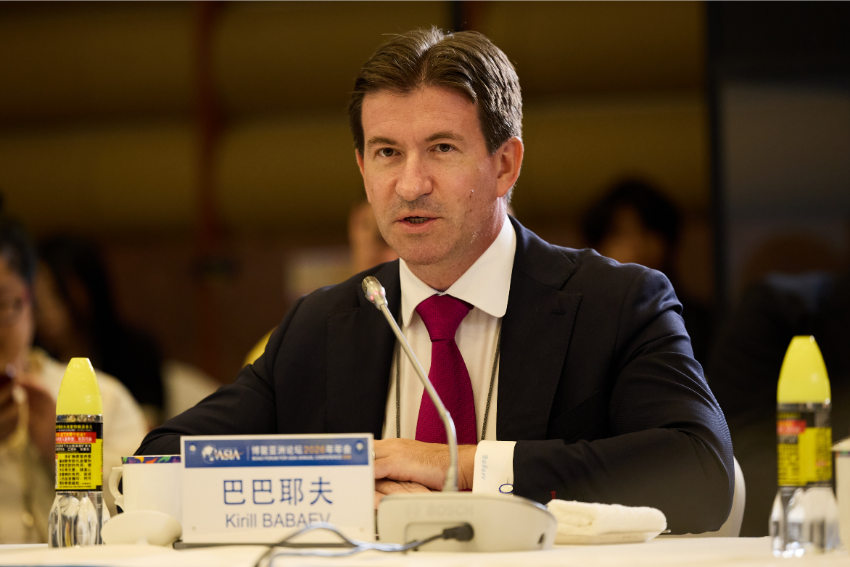
Kirill Babaev, director of the Institute of China and Contemporary Asia at the Russian Academy of Sciences, noted that the Global South represents a powerful force in today’s world. He emphasized that the existing platforms of the Global South are sufficient to underpin the development of a more just and equitable global system.
RUC has hosted sub-forums of the Boao Forum for Asia on multiple occasions, with its scholars serving as moderators and speakers for many years.